
Our Challenges
At La Lonja de la Innovación, we turn industrial challenges into innovation opportunities.
We identify challenges and activate innovative solutions, connecting talent with the sector's most pressing needs. Our mission is to drive sectorial innovation through collaboration.
Available Challenges

We present you with an exciting challenge:
Projected Road Signage in Solid Bulk Terminal Operations Area
Dare to solve this crucial challenge for the port sector! If your proposal is selected, you will have the option to implement a paid pilot project of up to €15,000 within the Port of Huelva environment.
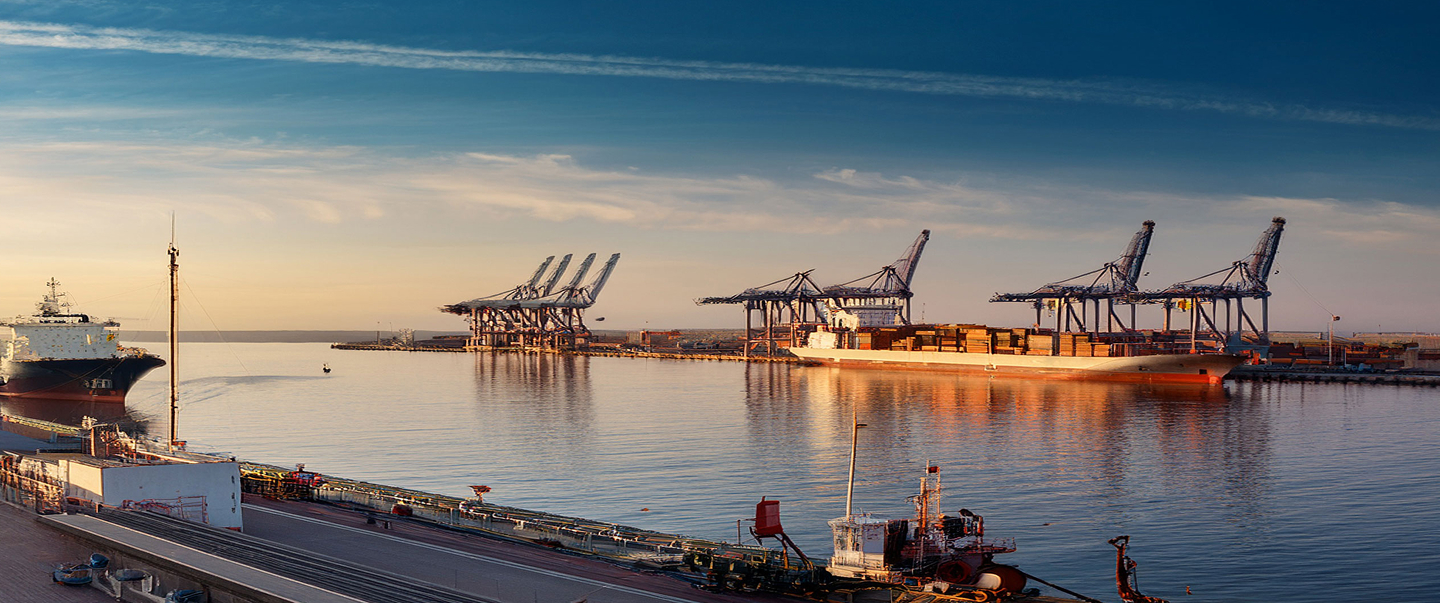
This challenge has been jointly promoted by the Port of Huelva and the Innovation Exchange. The objective is to implement an industrial pilot project in a port environment that develops an innovative solution capable of signaling and regulating the traffic of vehicles, machinery, and pedestrians on the solid bulk cargo docks using light projection systems. This is an excellent opportunity to implement an innovative solution with an impact on efficiency and safety.
Challenge Phases
Challenge Launch
May 21
Sign up for the challenge
Until June 11th
Presentation before the jury
The date will be communicated directly to those selected.
Winning company communication
The date will be communicated during the court hearing.
Publication of the winning company on La Lonja's website
The date will be communicated during the court hearing.
Implementation Period
Maximum 3 months
The Challenge Posed by the Port of Huelva
Señalización vial proyectada en zona de operaciones de muelles de graneles sólidos.
-
What is the context and background of the challenge?
The solid bulk terminals at the Port of Huelva are areas of high operational activity where heavy machinery, trucks, and workers interact. These zones require efficient road management to minimize risks and ensure operational safety. However, they present particular challenges:
- Open space: Docks must maximize space utilization and, therefore, minimize physical elements on the surface. This makes the installation of traditional signs difficult.
- Impracticability of painting surfaces: Painting signs directly on the ground proves useless, as bulk cargo quickly covers the markings.
- Existing infrastructure: Although the docks have lighting towers, sheds, and conveyor belts, these structures have not been used to facilitate road management.
Currently, lanes are opened with watering trucks to reduce diffuse particulate emissions, but this measure serves an environmental, not operational, purpose, and its impact on traffic management is limited.
-
What are the requirements for the desired solution?
-
High-visibility light projection: Use high-intensity laser or LED devices that are visible even in conditions of high daytime luminosity and that do not interfere with the traditional lighting on the docks. Other technologies will be evaluated.
-
Integration into existing infrastructure: Leverage the lighting towers, sheds, or conveyor belts already present on the docks, minimizing the need for additional installations and ensuring the protection of the projectors against collisions.
-
Adaptive traffic management: Implement projected signage for lanes, waiting areas, and pedestrian crossings. Include signs such as Stop or Yield activated by sensors or radars that detect the arrival of vehicles or the presence of pedestrians.
-
Ease of installation and maintenance: The solution must be easy to install and operate under the particular conditions of the docks, ensuring its durability against the demands of the environment.
-
Description of the functionality: This challenge seeks to cover the previously described needs. Specifically, the awardee of this challenge must satisfy the following services:
-
Carry out the supply, configuration, and installation of the sensorization to cover the challenge requirement.
-
Integration of these elements.
-
For the pilot project, it will be sufficient to represent one traffic sign and one projected marking in lanes and/or pedestrian crossings. Implementing more than one traffic sign and projected marking will be positively evaluated.
-
-
-
What are the expected benefits?
-
Improvement in safety: Reduction of accidents through clear and adaptive road management
-
Operational efficiency: Optimization of traffic flows, improving fluidity in loading and unloading operations.
-
Maximization of space: Solution that respects the open nature of the dock, without adding physical obstacles to the operational environment.
-
Technological adaptability: Capacity to respond dynamically to dock conditions and operational needs.
-